
Imagine a well-oiled machine, where every cog and gear works in harmony to produce a seamless and efficient outcome – this is what a Standard Operating Procedure (SOP) for laundry can achieve.
Just as a master chef follows a recipe to create a culinary masterpiece, a laundry SOP provides a step-by-step guide to ensure that every load of laundry is washed, dried, and folded to perfection.
But, have you ever stopped to think about the chaos that can ensue when there is no clear plan in place – clothes lost, fabrics damaged, and endless hours wasted on re-washing and re-drying?
By implementing a laundry SOP, you can transform the often-dreaded task of laundry into a streamlined process that saves time, reduces stress, and ensures that your clothes are always clean and fresh.
Implementing Effective Laundry Protocols for Infection Control and Linen Management
Proper laundry protocols are crucial in healthcare settings to prevent the spread of infections and maintain a clean environment for patients and staff.
Effective linen management involves a combination of proper washing, drying, and handling techniques to reduce the risk of contamination.
By implementing these protocols, healthcare facilities can ensure a safe and hygienic environment.
Infection control begins with every load of laundry, where a single mistake can have devastating consequences.
- Timely washing of soiled linens is essential to prevent the growth of bacteria and other microorganisms.
- Proper detergent selection is critical in removing tough stains and killing pathogens.
- Temperature control during the washing and drying process is vital in achieving optimal hygiene standards.
Creating a Comprehensive Laundry Standard Operating Procedure for Hotels and Hospitals

Imagine yourself as a hospitality or healthcare manager, struggling to maintain cleanliness and hygiene standards in your establishment, with laundry being a crucial aspect of daily operations.
You understand the importance of having a well-structured laundry system to prevent cross-contamination and ensure the comfort of your guests or patients.
Creating a comprehensive laundry standard operating procedure (SOP) is essential to streamline your laundry operations, reduce errors, and maintain high standards of cleanliness and hygiene.
A well-designed SOP will outline the steps involved in laundry processing, from collection to distribution, and provide clear guidelines for staff to follow.
This will not only improve efficiency but also reduce the risk of contamination and ensure compliance with regulatory requirements.
Understanding the Importance of Linen Classification and Quantification in Laundry SOP
In a bustling hotel in Singapore, the laundry department struggled to keep up with the demanding linen requirements, resulting in frequent stockouts and overstocking of certain items.
This led to increased costs and decreased customer satisfaction, highlighting the need for effective linen classification and quantification.
The hotel’s management eventually implemented a standardized laundry SOP, which included a thorough classification and quantification system, resulting in significant improvements in efficiency and customer satisfaction.
By prioritizing linen classification and quantification, the hotel was able to streamline its laundry operations and reduce waste.
The implementation of a linen classification system allows for the categorization of linens based on their type, quality, and usage, enabling laundry staff to prioritize and process items more efficiently.
This, in turn, helps to prevent mix-ups, damage, and loss of linens, resulting in cost savings and improved customer satisfaction.
Effective quantification of linens is also crucial, as it enables laundry staff to accurately track inventory levels, anticipate demand, and adjust production accordingly.
By doing so, hotels and hospitality establishments can minimize the risk of stockouts, overstocking, and waste, ultimately leading to improved operational efficiency and reduced costs.
Developing a Step-by-Step Guide for Washing and Drying Procedures in Laundry Operations
Creating a comprehensive guide for laundry operations is akin to composing a symphony, where each step must be meticulously orchestrated to produce a harmonious outcome.
The process begins with sorting, where clothes are categorized like books in a library, each one placed in its designated section to prevent damage or discoloration.
Next, the washing cycle commences, a whirlpool of water and detergent that swirls and twirls like a ballet dancer, gently caressing the fabrics to remove dirt and stains.
The rinse cycle follows, a refreshing shower that cleanses the clothes of any remaining detergent, leaving them feeling like a spring morning, crisp and clean.
After the wash, the drying process begins, a slow and gentle waltz of warm air that envelops the clothes, coaxing out the moisture like a master painter adding the final strokes to a masterpiece.
As the clothes tumble and spin, they are transformed, emerging soft and fluffy like a cloud, ready to be folded and put away, their freshness and cleanliness a testament to the meticulous steps that preceded them.
The guide must also consider factors like fabric type, soil level, and detergent dosage, a complex recipe that requires precision and attention to detail.
By following this step-by-step guide, laundry operations can be streamlined, making the process as smooth as silk, and the end result, a pile of clean, fresh clothes, a treasure trove of comfort and warmth.
Ensuring Quality Control and Inventory Management through Accurate Laundry Logging and Tracking
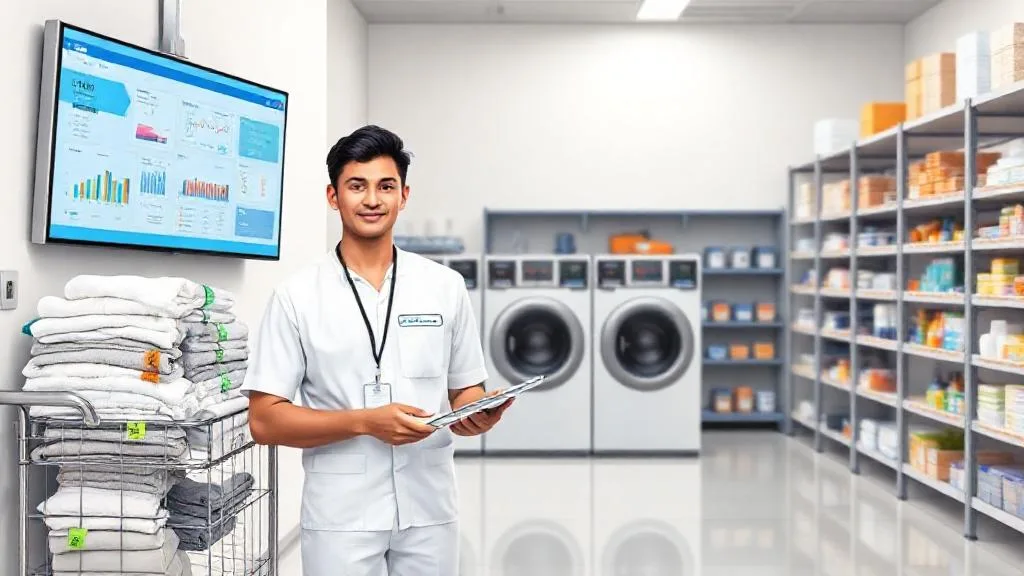
To maintain high standards in laundry services, it is crucial to implement a robust system for logging and tracking inventory, which includes monitoring the quantity and condition of linens, uniforms, and other washable items.
This can be achieved through the use of barcode scanning, RFID tags, or manual entry into a database, allowing for real-time updates and accurate records.
By doing so, businesses can prevent losses due to misplaced or damaged items, and ensure that they have sufficient stock to meet demand.
Moreover, accurate logging and tracking enable the identification of trends and patterns in laundry usage, facilitating data-driven decisions to optimize inventory management.
Designing an Efficient Laundry Workflow with Proper Washer Loading and Drying Parameters
Efficient laundry workflows start with a solid foundation in washer and dryer management.
- Maximizing washer capacity with balanced loads to reduce energy consumption and wear.
- Selecting the right detergent for the job, considering factors like soil level and fabric type.
- Monitoring dryer temperature and moisture levels to prevent over-drying and damage.
- Implementing a regular maintenance schedule for washers and dryers to ensure optimal performance.
- Optimizing laundry room layout for streamlined sorting, folding, and ironing operations.
By streamlining these aspects of the laundry process, individuals can save time, reduce energy costs, and extend the life of their clothing and appliances.
Establishing Clear Procedures for Mending and Distributing Clean Linen to User Departments
A well-organized linen distribution system is crucial for maintaining hygiene and efficiency.
Procedures for mending and distributing clean linen — including sorting, washing, and folding — require careful planning: attention to detail is key.
Effective communication between departments is essential to ensure that linens are delivered on time and in the required quantities.
To achieve this, a thorough analysis of the current system must be conducted, identifying areas for improvement and implementing changes as needed.
A comprehensive set of guidelines and protocols should be established, outlining the responsibilities of each department and the procedures for requesting, picking up, and returning linens.
Optimizing Laundry Operations with Best Practices for Equipment Investment and Staff Training
Contrary to popular belief, investing in high-end laundry equipment does not always guarantee efficient operations, as many facilities overlook the importance of proper staff training and maintenance.
In fact, poorly trained staff can lead to increased energy consumption and equipment downtime.
This misconception can have significant financial and environmental implications.
In reality, a well-trained staff can make a significant difference in optimizing laundry operations, regardless of the equipment used.
For example, a hospital in Singapore was able to reduce its energy consumption by 20% after implementing a comprehensive staff training program.
“The key to optimizing laundry operations is not just about investing in the latest equipment, but also about investing in the people who operate them.”
Streamlining Hotel Laundry Management with Outsourcing Options and In-House Operations Comparison
As hotels strive to maintain high standards of cleanliness and efficiency, laundry management has become a critical aspect of their operations, with many establishments weighing the pros and cons of outsourcing versus in-house laundry services.
The decision to outsource or maintain in-house laundry operations depends on various factors, including the hotel’s size, budget, and specific needs, as well as the availability of reliable outsourcing partners.
In-house laundry operations provide hotels with greater control over the quality and timing of laundry services, but may require significant investments in equipment and staff.
Outsourcing can offer cost savings and flexibility, but may compromise on quality and reliability.
By carefully evaluating these factors and considering innovative solutions, hotels can optimize their laundry management and improve overall guest satisfaction.
The key to successful hotel laundry management lies in finding the right balance between quality, cost, and efficiency.
Effective laundry management is crucial for hotels to maintain high standards of cleanliness and guest satisfaction, and outsourcing or in-house operations can be a viable option depending on the establishment’s specific needs and circumstances.
As the laundry standard operating procedure is finalized, the hum of the washing machine and the soft rustle of freshly folded clothes serve as a reminder of the significance of streamlining this everyday task.
By implementing a well-structured laundry SOP, individuals can reclaim precious time and reduce the mental load associated with managing household chores.
The ripple effect of this newfound efficiency can be felt throughout the entire household, allowing for more moments of relaxation and leisure.
Ultimately, the key to a seamless laundry experience lies in striking a balance between consistency and adaptability, much like the delicate dance of washing and drying that unfolds with each cycle.
As the last load of laundry is neatly put away, the sense of satisfaction and order that comes with it is a testament to the power of establishing a reliable laundry SOP.
Leave a Reply