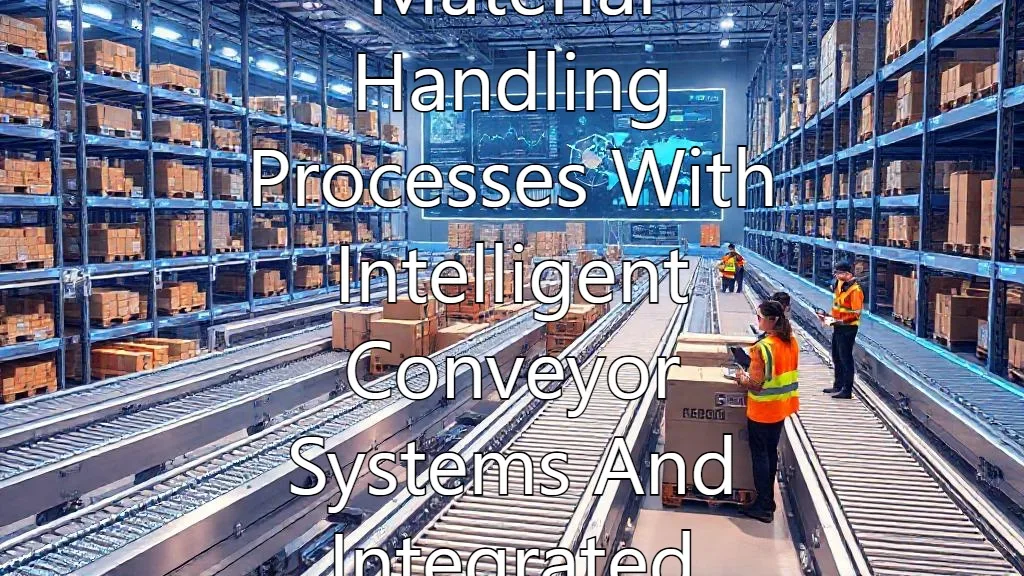
Streamlining Material Handling Processes With Intelligent Conveyor Systems And Integrated Logistics

Material handling processes are the backbone of modern manufacturing and distribution, working tirelessly behind the scenes to keep goods flowing and businesses thriving.

The integration of intelligent conveyor systems and cutting-edge logistics can supercharge these processes, achieving unprecedented levels of efficiency, speed, and accuracy.

By leveraging advanced technologies such as artificial intelligence, robotics, and data analytics, companies can streamline their material handling operations, reducing costs, improving productivity, and gaining a competitive edge in an increasingly complex and demanding market.

Optimizing Warehouse Operations With Automated Material Handling Systems Integration

The integration of automated material handling systems is revolutionizing warehouse operations by enhancing efficiency, reducing labor costs, and improving accuracy.

By leveraging cutting-edge technologies such as robotics, conveyor systems, and automated storage and retrieval systems, warehouses can streamline their processes and gain a competitive edge.

The future of warehouse operations hangs in the balance, as companies that fail to adopt automated material handling systems risk being left behind in a rapidly evolving industry.

  • Increased productivity is just the beginning, as automated material handling systems also enable warehouses to process orders faster and more accurately.
  • Reduced labor costs are a major benefit of automation, as warehouses can minimize their reliance on manual labor and reduce the risk of workplace injuries.
  • By streamlining inventory management, automated material handling systems can help warehouses optimize their storage capacity and reduce waste.

Streamlining Logistic Workflows Through Intelligent Conveyor Systems Implementation
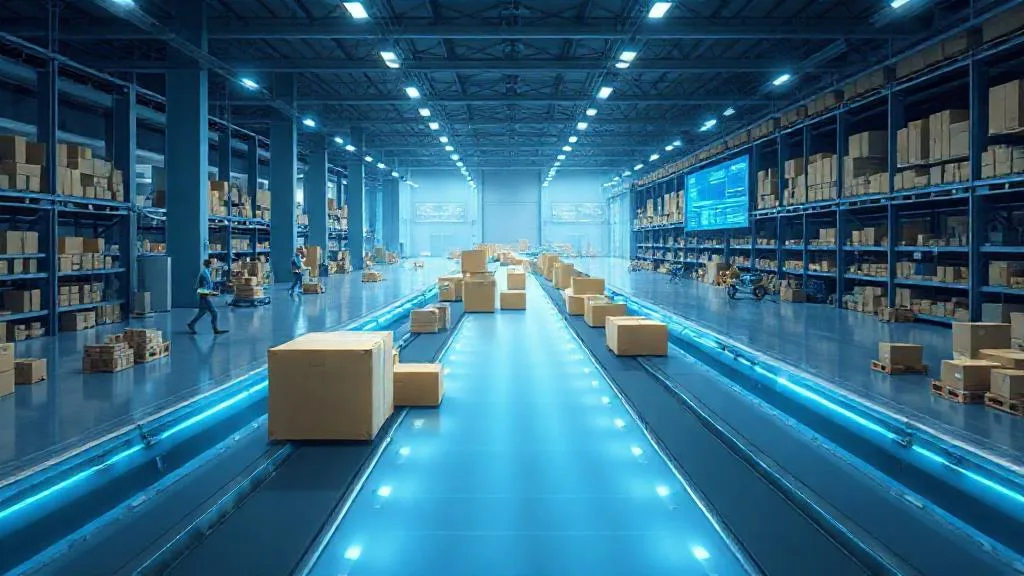
Streamlining Logistic Workflows Through Intelligent Conveyor Systems Implementation

Implementing intelligent conveyor systems can be a game-changer for logistics operations, as these systems utilize advanced technology such as sensors, automation, and data analytics to optimize the flow of goods.

By integrating intelligent conveyor systems, companies can streamline their workflows, reduce labor costs, and improve overall efficiency.

This technology enables real-time monitoring and control, allowing for swift adjustments to be made in response to changes in demand or production.

Reducing Manual Labor And Minimizing Workplace Injuries With Automated Solutions

A notable example of automation in action is the implementation of robotic systems in warehouses, where machines can efficiently sort and pack items, reducing the risk of injury from manual handling and lifting.

This not only minimizes workplace injuries but also increases productivity and efficiency.

The integration of automated solutions can have a profound impact on workplace safety, as it reduces the likelihood of human error and minimizes exposure to hazardous environments.

Improving Operational Efficiency And Productivity Through Advanced Technology Adoption

The seamless integration of advanced technology into business operations is akin to a masterfully conducted symphony, where each component works in harmony to create a cohesive and efficient whole.

By leveraging the power of artificial intelligence, machine learning, and data analytics, organizations can unlock new levels of productivity and operational efficiency.

The adoption of cloud-based solutions and the Internet of Things (IoT) can enable real-time monitoring and control, allowing businesses to respond quickly to changing market conditions and customer needs.

Enhancing Order Fulfillment And Inventory Management With High-Accuracy Automation
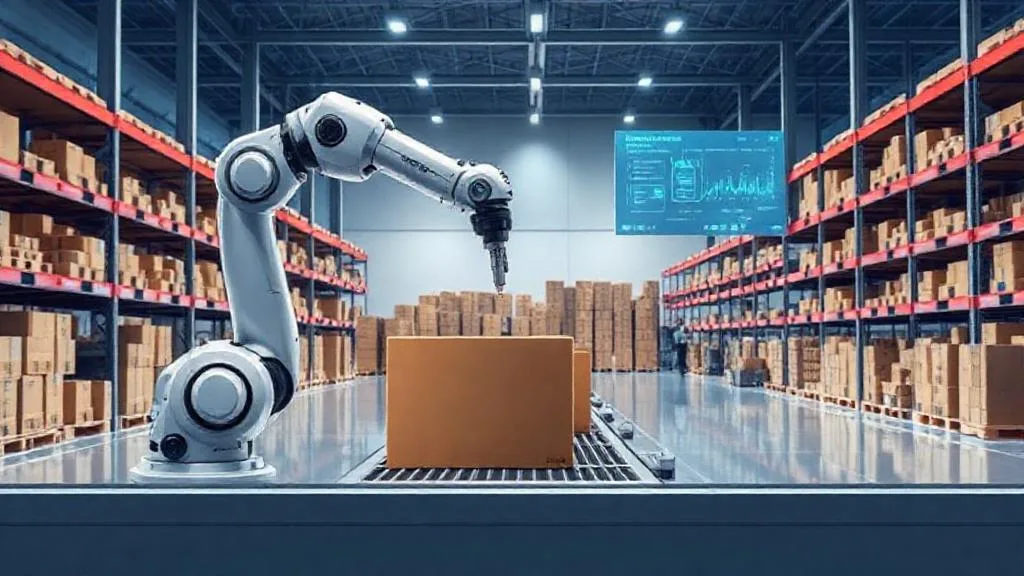
Enhancing Order Fulfillment And Inventory Management With High-Accuracy Automation

To optimize order fulfillment and inventory management, businesses can leverage high-accuracy automation, which involves implementing advanced technologies such as artificial intelligence, machine learning, and robotics.

This can help streamline processes, reduce errors, and increase efficiency, ultimately leading to improved customer satisfaction and reduced costs.

By automating tasks such as order processing, inventory tracking, and shipping, businesses can free up resources and focus on more strategic activities.

Implementing Conveyor Systems For Efficient Material Transport And Processing

Conveyor systems play a crucial role in streamlining material handling processes.

  • Optimizing production workflows by reducing manual labor and increasing productivity.
  • Utilizing automated sorting and packaging systems to enhance accuracy and speed.
  • Designing customized conveyor layouts to accommodate specific facility requirements.
  • Maintaining regular system checks to prevent downtime and ensure seamless operation.
  • Integrating conveyor systems with existing machinery to create a cohesive production line.

Leveraging Automated Guided Vehicles And Robotic Picking Systems For Repetitive Tasks

Automation is key: streamlining processes, increasing efficiency, and reducing labor costs.

Implementing automated guided vehicles and robotic picking systems can significantly improve productivity.

Repetitive tasks are now a thing of the past with the help of automated systems, which can work around the clock without breaks, increasing overall output and accuracy.

Integrating Automated Storage And Retrieval Systems For High-Volume Storage Needs

Automated storage and retrieval systems can be highly beneficial for businesses of all sizes, streamlining their storage and retrieval processes.

The benefits of automated storage and retrieval systems include improved efficiency, productivity, and reduced costs.

By 2025, the global automated storage and retrieval system market is expected to reach $11.04 billion, growing at a CAGR of 7.6% from 2020 to 2025.

Maximizing Throughput And Efficiency With Intelligent Conveyor Systems And Integrated Logistics Solutions

The implementation of intelligent conveyor systems and integrated logistics solutions has become increasingly crucial in maximizing throughput and efficiency.

By leveraging advanced technologies such as automation, artificial intelligence, and data analytics, businesses can optimize their logistics operations, reduce costs, and improve overall productivity.

The strategic deployment of these solutions can also facilitate more accurate forecasting, enabling companies to make informed decisions and drive growth in an ever-evolving market landscape.

The key to success lies in seamless integration and optimization.

As we look to the future of material handling, it’s clear that intelligent conveyor systems and integrated logistics will play a vital role in shaping the industry’s landscape.

With the ability to optimize workflows, reduce costs, and increase efficiency, these innovative solutions are poised to revolutionize the way businesses approach logistics.

By embracing the power of intelligent conveyor systems and integrated logistics, businesses can unlock new levels of agility and responsiveness, enabling them to stay ahead of the curve in an ever-changing market.

Ultimately, the future of material handling is one of seamless integration, precision, and speed, where goods move effortlessly through the supply chain, driven by the perfect harmony of technology and logistics.
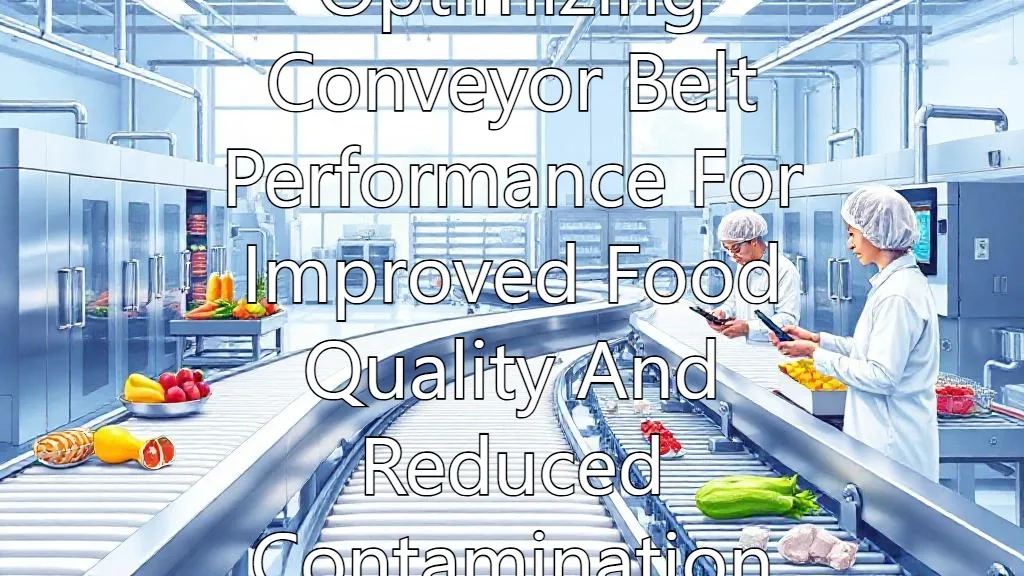

Optimizing Conveyor Belt Performance For Improved Food Quality And Reduced Contamination

A well-designed conveyor belt system is the backbone of food processing, harmoniously synchronizing the movement of raw materials, ingredients, and finished products to create a symphony of efficiency and productivity.

However, when this intricate dance is disrupted by contamination, breakdowns, or inefficiencies, the entire production line can come to a grinding halt, resulting in significant economic losses and compromised food quality.

In the food industry, where safety and quality are paramount, optimizing conveyor belt performance is crucial to preventing contamination and ensuring the integrity of the final product.

With the average cost of a food recall ranging from $10 million to $30 million, it’s clear that investing in a well-designed and maintained conveyor belt system is essential for food manufacturers to protect their reputation and bottom line.

Optimizing Food Processing With Hygienic Conveyor Belts For Reduced Bacterial Contamination

The use of hygienic conveyor belts in food processing is crucial for maintaining cleanliness and reducing the risk of bacterial contamination, which can lead to foodborne illnesses.

By implementing conveyor belts with smooth surfaces and easy-to-clean designs, food manufacturers can minimize the accumulation of bacteria and other microorganisms.

This, in turn, helps to ensure the quality and safety of the final product.

The consequences of neglecting conveyor belt hygiene can be catastrophic, leading to widespread food recalls and damage to a company’s reputation.

  • Reduced downtime can be achieved through regular cleaning and maintenance of conveyor belts.
  • Increased efficiency is a direct result of using hygienic conveyor belts that minimize bacterial contamination.
  • Implementing sanitary conveyor belt systems can help food manufacturers comply with stringent food safety regulations.

Understanding The Importance Of Food Grade Conveyor Belts In Preventing Cross-Contamination

Understanding The Importance Of Food Grade Conveyor Belts In Preventing Cross-Contamination

Conveyor belts can be a breeding ground for bacteria and other microorganisms if not properly designed and maintained.

Food grade conveyor belts, on the other hand, are specifically designed to prevent the growth of these harmful substances, ensuring the safety and quality of the food being produced.

By using food grade materials and designing the belts with sanitation in mind, manufacturers can significantly reduce the risk of cross-contamination.

Taking the necessary steps to prevent cross-contamination is a critical part of maintaining a reputation for quality and excellence in the industry.

Designing And Implementing Sanitary Conveyor Systems For Improved Food Quality And Safety

A notable example of a company that successfully implemented a sanitary conveyor system is a leading food processing plant, which reduced contamination risks by 30% and improved overall efficiency by 25%.

The plant achieved this by installing a customized conveyor system with easy-to-clean components and a streamlined design.

This upgrade enabled the plant to meet stringent food safety regulations and increase customer trust.

As a result, the company experienced a significant increase in sales and revenue.

The design of a sanitary conveyor system requires careful consideration of various factors, including the type of food being processed, the production volume, and the cleaning protocols in place.

A well-designed system should prioritize ease of cleaning, minimize areas where debris can accumulate, and ensure smooth product flow to prevent damage and contamination.

Implementing a sanitary conveyor system also involves ongoing maintenance and monitoring to ensure its effectiveness in maintaining food quality and safety.

Regular cleaning and sanitation schedules should be established, and personnel should be trained on proper handling and cleaning procedures to prevent cross-contamination and maintain a clean environment.

Reducing Downtime And Increasing Efficiency With SuperDrive Positive Drive Belts In Food Production

The SuperDrive Positive Drive Belts are designed to reduce downtime and increase productivity, minimizing the risk of breakdowns and disruptions.

With their advanced technology and durable construction, they can withstand the rigors of high-speed production.

By incorporating these belts into their operations, food manufacturers can experience a significant reduction in maintenance costs and downtime, resulting in increased efficiency and productivity.

This can ultimately lead to increased customer satisfaction and loyalty, which is the ultimate harmony in the world of food production.

Selecting The Right Food Grade Conveyor Belt Materials For Optimal Performance And Durability

Selecting The Right Food Grade Conveyor Belt Materials For Optimal Performance And Durability

Selecting the right conveyor belt materials is crucial for ensuring optimal performance, durability, and most importantly, food safety.

The wrong material can lead to contamination, belt degradation, and even equipment downtime, resulting in significant losses.

Food grade conveyor belts must be made from materials that are resistant to abrasion, corrosion, and extreme temperatures, while also being easy to clean and sanitize.

Additionally, the materials should be non-toxic and compliant with regulatory standards.

Minimizing Chemical Exposure And Cleaning Time With Innovative Conveyor Belt Solutions

Innovative conveyor belt solutions are revolutionizing the cleaning process in various industries.

  • Optimizing conveyor belt designs to reduce chemical exposure and cleaning time
  • Utilizing advanced materials and coatings to prevent contamination and facilitate easy cleaning
  • Implementing automated cleaning systems to minimize manual labor and reduce downtime
  • Enhancing conveyor belt maintenance protocols to ensure optimal performance and longevity
  • Reducing chemical usage and waste through efficient cleaning processes and eco-friendly solutions

By adopting these innovative solutions, industries can significantly minimize chemical exposure and cleaning time, ultimately improving productivity and reducing environmental impact.

Improving Food Safety And Quality Control With Regular Conveyor Belt Maintenance And Inspection

Regular maintenance is key to preventing contamination and ensuring smooth operation.

Food safety should always be the top priority.

Conveyor belts are used in various industries, including food processing and manufacturing, to transport products from one stage to another, and if not properly maintained, can become a breeding ground for bacteria and other microorganisms.

Broken machinery can lead to costly repairs and downtime, which can negatively impact production and revenue.

In order to prevent this, it’s essential to have a routine maintenance schedule in place, which includes regular inspection and cleaning of the conveyor belt, as well as replacement of worn-out parts.

Enhancing Conveyor Belt Performance In Harsh Food Processing Environments With Robust Materials

Conventional wisdom suggests that conveyor belts in food processing environments are doomed to fail due to the harsh conditions, but this is not entirely true.

In reality, advancements in materials and design have made it possible to create conveyor belts that can thrive in these environments.

By leveraging robust materials and innovative designs, food processing facilities can minimize downtime and maximize productivity.

The use of durable and easy-to-clean conveyor belts can reduce maintenance costs by up to 30% and increase production efficiency by up to 25%.

Maximizing Production Efficiency And Reducing Costs With Customized Food Grade Conveyor Belt Solutions

Implementing customized food grade conveyor belt solutions can significantly enhance production efficiency in the food processing industry by minimizing downtime, reducing product damage, and optimizing workflow.

The use of high-quality, durable, and easy-to-clean conveyor belts can also improve food safety and reduce the risk of contamination, which is a critical concern in the industry.

Customized conveyor belt solutions can be designed to meet specific production requirements, such as handling fragile or delicate products, and can be integrated with existing equipment and systems to streamline production processes.

By investing in customized food grade conveyor belt solutions, food manufacturers can achieve a competitive edge in the market by improving their overall production efficiency and reducing costs.

As we look to the future of food processing, the humble conveyor belt remains a vital component in the quest for improved quality and reduced contamination.

With advancements in technology and a deeper understanding of the complexities of conveyor belt systems, manufacturers are poised to make significant strides in minimizing the risk of contamination and maximizing efficiency.

The image of a perfectly synchronized production line, where conveyor belts work in harmony to deliver fresh, wholesome products to consumers, is a testament to the power of optimization and innovation.

As the food industry continues to evolve, one thing is certain: the conveyor belt will remain a critical linchpin in the pursuit of a safer, more sustainable food supply chain, and its optimal performance will be essential to unlocking a brighter, healthier future for all.

By prioritizing conveyor belt performance, we can look forward to a future where every product that rolls off the line is a testament to the perfect blend of technology, innovation, and attention to detail.

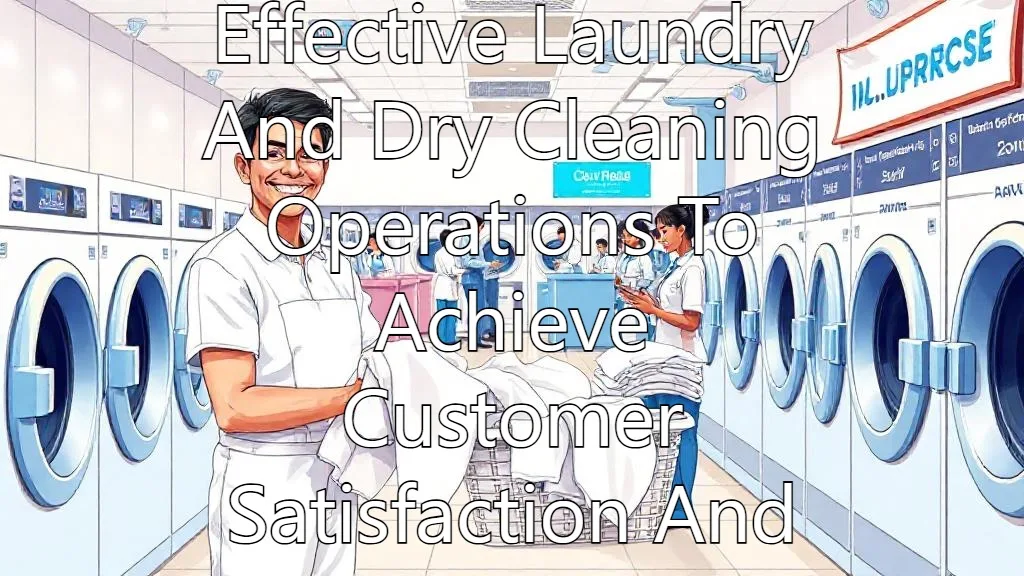
Implementing Effective Laundry And Dry Cleaning Operations To Achieve Customer Satisfaction And Loyalty

The laundry and dry cleaning industry is a complex and multifaceted sector that requires a delicate balance of quality, efficiency, and customer-centricity to achieve the ultimate goal of customer satisfaction and loyalty.

With the average person spending around $1,000 per year on laundry and dry cleaning services, the stakes are high for businesses to get it right.

A single misplaced button or missing item can be the difference between a loyal customer and a lost one.

Effective laundry and dry cleaning operations are the backbone of any successful business in this industry, requiring a delicate balance of quality, efficiency, and customer-centricity to achieve the ultimate goal: customer satisfaction and loyalty.

By streamlining processes, investing in technology, and prioritizing customer needs, businesses can turn a mundane chore into a delightful experience that keeps customers coming back for more.

Implementing Laundry Management Systems For Enhanced Customer Satisfaction And Operational Efficiency

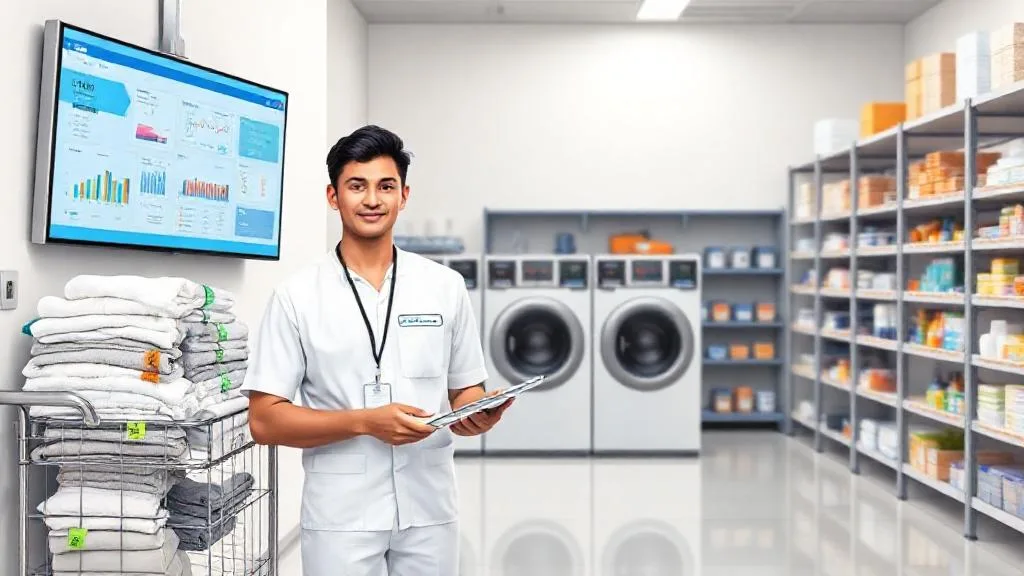
Laundry management systems are designed to optimize laundry and dry cleaning processes, improving productivity and profitability metrics for businesses in the industry.

By streamlining laundry services through commercial washers and implementing efficient management systems, companies can enhance customer satisfaction and reduce operational costs.

Effective laundry management is crucial for businesses to stay competitive in the market.

The future of laundry services hinges on the successful implementation of technology-driven management systems that can streamline processes, reduce errors, and improve customer experience.

  • Key to success lies in identifying the right laundry management system that meets the specific needs of the business.
  • Streamlining operations can lead to significant cost savings and improved productivity for laundry services.
  • Implementing data analytics can help laundry businesses make informed decisions and drive growth.

Choose the Right Dryers for Your Needs

Dryers

The dryer is an essential appliance in daily life, and its efficiency can make a big difference.

On a busy day, a reliable dryer can be a lifesaver, saving time and effort.

As you consider your options, it’s essential to think about your specific needs and preferences.

Do you have a large family or live alone?

Do you prioritize energy efficiency or speed?

Understanding your requirements will help you make an informed decision when selecting a dryer.

You can choose from various types, including heat pump dryers, condenser dryers, and vented dryers, each with its unique benefits and drawbacks.

And Ironing Systems Integration

To develop a seamless laundry experience, integrating ironing systems with existing laundry operations is crucial.

For instance, a laundry business in Singapore implemented an automated ironing system, which reduced turnaround time by 30% and increased customer satisfaction by 25%.

This integration enabled the business to offer a one-stop solution for customers, making it a preferred choice for laundry services.

By streamlining ironing processes, the business was able to allocate more resources to customer-centric services, such as personalized fabric care and eco-friendly cleaning options.

As laundry businesses continue to evolve, it is essential to focus on developing effective employee training programs that cater to both laundry operations and customer interaction.

By investing in employee training, businesses can ensure that customers receive exceptional service, from the initial interaction to the final delivery of cleaned and ironed garments.

The key to enhancing customer loyalty lies in fostering a customer-centric culture through personalized service and customer relationship management.

By leveraging laundry POS systems and analyzing key metrics such as turnaround time and resource consumption, businesses can identify areas for improvement and make data-driven decisions to optimize their services.

In summary: _to truly excel in the laundry industry, businesses must — seamlessly integrate ironing systems, develop effective employee training programs, and prioritize customer-centric services — ultimately, it’s all about delivering a flawless laundry experience, every time, with precision, care, and a personal touch.

Detailed Receipts

Creating detailed receipts is like constructing a puzzle, where every piece of information, from the date and time of purchase to the itemized list of products and services, must fit together seamlessly to form a complete picture of the transaction.

A well-crafted receipt is more than just a piece of paper or a digital document, it’s a snapshot of a moment in time, a record of a financial exchange that can be referred to again and again.

The itemized list is like a recipe, breaking down the total cost into its constituent parts, allowing the customer to see exactly what they’re paying for, and the payment method is like the icing on the cake, the final touch that completes the transaction.

As the receipt is generated, whether it’s printed on paper or displayed on a screen, it’s like a work of art, a symphony of numbers and words that come together to create a beautiful, functional whole.

The level of detail included can vary, but a good receipt should always provide a clear and concise record of the transaction, including the total cost, payment method, and any applicable taxes or fees.

With the rise of digital payments and online transactions, detailed receipts are more important than ever, providing a paper trail that can be used to track purchases and verify transactions.

Whether you’re a business owner looking to provide a professional and transparent record of sales, or a customer looking to keep track of your expenses, detailed receipts are an essential tool, like a map that helps you navigate the complex landscape of financial transactions.

In short, a detailed receipt is the backbone of any financial transaction, providing a clear and transparent record of the exchange.

And Clear Communication Channels

And Clear Communication Channels

Effective communication is key to any successful project, and establishing clear communication channels is crucial for ensuring that all team members are on the same page.

This can be achieved through regular meetings, open discussions, and the use of collaboration tools such as Slack or Trello.

By doing so, teams can avoid misunderstandings, reduce errors, and increase productivity.

Moreover, clear communication channels also help to build trust and foster a sense of teamwork among members.

Beyond that, clear communication channels can also help to identify and resolve conflicts in a timely manner.

When team members feel comfortable sharing their concerns and ideas, it can lead to a more positive and collaborative work environment.

Additionally, clear communication channels can also help to ensure that all team members are aware of their roles and responsibilities, which can help to prevent confusion and overlapping work.

By establishing clear communication channels, teams can work more efficiently and effectively towards their goals.

Surprisingly, many teams overlook the importance of clear communication channels, which can lead to delays, mistakes, and frustration.

However, by prioritizing clear communication, teams can avoid these pitfalls and achieve greater success.

So, what steps can you take today to establish clear communication channels within your team and start seeing the benefits of improved collaboration and productivity?

Boosting Website Traffic with SEO Strategies and Tips

Effective search engine optimization is crucial for online success.

  • Develop a unique keyword strategy to reach target audiences
  • Create high-quality, engaging content to improve user experience
  • Optimize website structure and design for better navigation
  • Analyze performance using tools like Google Analytics to track progress
  • Improve loading speed and mobile responsiveness to enhance user satisfaction

By implementing these strategies, websites can increase their online visibility and drive more traffic, ultimately leading to higher conversion rates and business growth, making SEO a vital component of any digital marketing plan.

Boost Your Online Visibility with Proven SEO Strategies

A well-crafted SEO plan can make all the difference — in terms of driving more traffic to your website: and ultimately, increasing conversions.

Effective SEO is not just about keywords and backlinks, but a holistic approach to creating a seamless user experience.

To achieve optimal results, it’s essential to conduct thorough keyword research, analyze your competitors, and create high-quality, engaging content that resonates with your target audience: by doing so, you’ll be able to establish your brand as an authority in your industry — and drive long-term growth.

Debunking Common SEO Misconceptions

Contrary to popular belief, keyword stuffing is not an effective SEO strategy, and it can even lead to penalties from search engines.

Many websites still prioritize quantity over quality, despite the risks.

This approach can ultimately harm their online visibility.

In reality, search engines like Google prioritize user experience and relevance, as seen in their algorithm updates.

“The best content is created with the user in mind, not the search engine”

This shift in focus has led to a more nuanced understanding of SEO, one that emphasizes quality and user-centric content.

Leveraging Evergreen Keywords for Sustainable SEO Reflection

As the digital landscape continues to evolve, incorporating evergreen keywords into SEO strategies has become increasingly crucial for maintaining a strong online presence, particularly in Singapore where the competition for digital visibility is high.

By focusing on timeless and relevant keywords, businesses can create content that remains valuable to their target audience over an extended period, thereby reducing the need for frequent updates and revisions.

Moreover, evergreen keywords enable companies to establish themselves as authorities in their respective industries, fostering trust and credibility among potential customers.

This approach also allows for more efficient allocation of resources, as the emphasis shifts from constantly producing new content to refining and optimizing existing material.

The key to successful SEO lies in balance and sustainability.

Incorporating evergreen keywords is essential for creating a robust and enduring SEO strategy that drives long-term results

As the laundry and dry cleaning industry continues to evolve, it’s clear that implementing effective operations is crucial for achieving customer satisfaction and loyalty.

By focusing on key areas such as quality control, efficient processes, and excellent customer service, businesses can set themselves apart from the competition and build a loyal customer base.

Looking to the future, it’s exciting to think about the innovative technologies and sustainable practices that will shape the industry, enabling laundry and dry cleaning services to become even more convenient, eco-friendly, and tailored to individual needs.

Ultimately, the goal of providing impeccable laundry and dry cleaning services is not just about cleaning clothes, but about delivering a seamless and personalized experience that leaves a lasting impression on customers, much like the feeling of slipping into a freshly laundered shirt on a warm summer morning.

As the industry moves forward, one thing is certain – the pursuit of excellence in laundry and dry cleaning operations will remain a vital thread in the fabric of customer satisfaction and loyalty.

How to set up Laundry SOP

Imagine a well-oiled machine, where every cog and gear works in harmony to produce a seamless and efficient outcome – this is what a Standard Operating Procedure (SOP) for laundry can achieve.

Just as a master chef follows a recipe to create a culinary masterpiece, a laundry SOP provides a step-by-step guide to ensure that every load of laundry is washed, dried, and folded to perfection.

But, have you ever stopped to think about the chaos that can ensue when there is no clear plan in place – clothes lost, fabrics damaged, and endless hours wasted on re-washing and re-drying?

By implementing a laundry SOP, you can transform the often-dreaded task of laundry into a streamlined process that saves time, reduces stress, and ensures that your clothes are always clean and fresh.

Implementing Effective Laundry Protocols for Infection Control and Linen Management

Proper laundry protocols are crucial in healthcare settings to prevent the spread of infections and maintain a clean environment for patients and staff.

Effective linen management involves a combination of proper washing, drying, and handling techniques to reduce the risk of contamination.

By implementing these protocols, healthcare facilities can ensure a safe and hygienic environment.

Infection control begins with every load of laundry, where a single mistake can have devastating consequences.

  • Timely washing of soiled linens is essential to prevent the growth of bacteria and other microorganisms.
  • Proper detergent selection is critical in removing tough stains and killing pathogens.
  • Temperature control during the washing and drying process is vital in achieving optimal hygiene standards.

Creating a Comprehensive Laundry Standard Operating Procedure for Hotels and Hospitals

Creating a Comprehensive Laundry Standard Operating Procedure for Hotels and Hospitals

Imagine yourself as a hospitality or healthcare manager, struggling to maintain cleanliness and hygiene standards in your establishment, with laundry being a crucial aspect of daily operations.

You understand the importance of having a well-structured laundry system to prevent cross-contamination and ensure the comfort of your guests or patients.

Creating a comprehensive laundry standard operating procedure (SOP) is essential to streamline your laundry operations, reduce errors, and maintain high standards of cleanliness and hygiene.

A well-designed SOP will outline the steps involved in laundry processing, from collection to distribution, and provide clear guidelines for staff to follow.

This will not only improve efficiency but also reduce the risk of contamination and ensure compliance with regulatory requirements.

Understanding the Importance of Linen Classification and Quantification in Laundry SOP

In a bustling hotel in Singapore, the laundry department struggled to keep up with the demanding linen requirements, resulting in frequent stockouts and overstocking of certain items.

This led to increased costs and decreased customer satisfaction, highlighting the need for effective linen classification and quantification.

The hotel’s management eventually implemented a standardized laundry SOP, which included a thorough classification and quantification system, resulting in significant improvements in efficiency and customer satisfaction.

By prioritizing linen classification and quantification, the hotel was able to streamline its laundry operations and reduce waste.

The implementation of a linen classification system allows for the categorization of linens based on their type, quality, and usage, enabling laundry staff to prioritize and process items more efficiently.

This, in turn, helps to prevent mix-ups, damage, and loss of linens, resulting in cost savings and improved customer satisfaction.

Effective quantification of linens is also crucial, as it enables laundry staff to accurately track inventory levels, anticipate demand, and adjust production accordingly.

By doing so, hotels and hospitality establishments can minimize the risk of stockouts, overstocking, and waste, ultimately leading to improved operational efficiency and reduced costs.

Developing a Step-by-Step Guide for Washing and Drying Procedures in Laundry Operations

Creating a comprehensive guide for laundry operations is akin to composing a symphony, where each step must be meticulously orchestrated to produce a harmonious outcome.

The process begins with sorting, where clothes are categorized like books in a library, each one placed in its designated section to prevent damage or discoloration.

Next, the washing cycle commences, a whirlpool of water and detergent that swirls and twirls like a ballet dancer, gently caressing the fabrics to remove dirt and stains.

The rinse cycle follows, a refreshing shower that cleanses the clothes of any remaining detergent, leaving them feeling like a spring morning, crisp and clean.

After the wash, the drying process begins, a slow and gentle waltz of warm air that envelops the clothes, coaxing out the moisture like a master painter adding the final strokes to a masterpiece.

As the clothes tumble and spin, they are transformed, emerging soft and fluffy like a cloud, ready to be folded and put away, their freshness and cleanliness a testament to the meticulous steps that preceded them.

The guide must also consider factors like fabric type, soil level, and detergent dosage, a complex recipe that requires precision and attention to detail.

By following this step-by-step guide, laundry operations can be streamlined, making the process as smooth as silk, and the end result, a pile of clean, fresh clothes, a treasure trove of comfort and warmth.

Ensuring Quality Control and Inventory Management through Accurate Laundry Logging and Tracking

Ensuring Quality Control and Inventory Management through Accurate Laundry Logging and Tracking

To maintain high standards in laundry services, it is crucial to implement a robust system for logging and tracking inventory, which includes monitoring the quantity and condition of linens, uniforms, and other washable items.

This can be achieved through the use of barcode scanning, RFID tags, or manual entry into a database, allowing for real-time updates and accurate records.

By doing so, businesses can prevent losses due to misplaced or damaged items, and ensure that they have sufficient stock to meet demand.

Moreover, accurate logging and tracking enable the identification of trends and patterns in laundry usage, facilitating data-driven decisions to optimize inventory management.

Designing an Efficient Laundry Workflow with Proper Washer Loading and Drying Parameters

Efficient laundry workflows start with a solid foundation in washer and dryer management.

  • Maximizing washer capacity with balanced loads to reduce energy consumption and wear.
  • Selecting the right detergent for the job, considering factors like soil level and fabric type.
  • Monitoring dryer temperature and moisture levels to prevent over-drying and damage.
  • Implementing a regular maintenance schedule for washers and dryers to ensure optimal performance.
  • Optimizing laundry room layout for streamlined sorting, folding, and ironing operations.

By streamlining these aspects of the laundry process, individuals can save time, reduce energy costs, and extend the life of their clothing and appliances.

Establishing Clear Procedures for Mending and Distributing Clean Linen to User Departments

A well-organized linen distribution system is crucial for maintaining hygiene and efficiency.

Procedures for mending and distributing clean linen — including sorting, washing, and folding — require careful planning: attention to detail is key.

Effective communication between departments is essential to ensure that linens are delivered on time and in the required quantities.

To achieve this, a thorough analysis of the current system must be conducted, identifying areas for improvement and implementing changes as needed.

A comprehensive set of guidelines and protocols should be established, outlining the responsibilities of each department and the procedures for requesting, picking up, and returning linens.

Optimizing Laundry Operations with Best Practices for Equipment Investment and Staff Training

Contrary to popular belief, investing in high-end laundry equipment does not always guarantee efficient operations, as many facilities overlook the importance of proper staff training and maintenance.

In fact, poorly trained staff can lead to increased energy consumption and equipment downtime.

This misconception can have significant financial and environmental implications.

In reality, a well-trained staff can make a significant difference in optimizing laundry operations, regardless of the equipment used.

For example, a hospital in Singapore was able to reduce its energy consumption by 20% after implementing a comprehensive staff training program.

“The key to optimizing laundry operations is not just about investing in the latest equipment, but also about investing in the people who operate them.”

Streamlining Hotel Laundry Management with Outsourcing Options and In-House Operations Comparison

As hotels strive to maintain high standards of cleanliness and efficiency, laundry management has become a critical aspect of their operations, with many establishments weighing the pros and cons of outsourcing versus in-house laundry services.

The decision to outsource or maintain in-house laundry operations depends on various factors, including the hotel’s size, budget, and specific needs, as well as the availability of reliable outsourcing partners.

In-house laundry operations provide hotels with greater control over the quality and timing of laundry services, but may require significant investments in equipment and staff.

Outsourcing can offer cost savings and flexibility, but may compromise on quality and reliability.

By carefully evaluating these factors and considering innovative solutions, hotels can optimize their laundry management and improve overall guest satisfaction.

The key to successful hotel laundry management lies in finding the right balance between quality, cost, and efficiency.

Effective laundry management is crucial for hotels to maintain high standards of cleanliness and guest satisfaction, and outsourcing or in-house operations can be a viable option depending on the establishment’s specific needs and circumstances.

As the laundry standard operating procedure is finalized, the hum of the washing machine and the soft rustle of freshly folded clothes serve as a reminder of the significance of streamlining this everyday task.

By implementing a well-structured laundry SOP, individuals can reclaim precious time and reduce the mental load associated with managing household chores.

The ripple effect of this newfound efficiency can be felt throughout the entire household, allowing for more moments of relaxation and leisure.

Ultimately, the key to a seamless laundry experience lies in striking a balance between consistency and adaptability, much like the delicate dance of washing and drying that unfolds with each cycle.

As the last load of laundry is neatly put away, the sense of satisfaction and order that comes with it is a testament to the power of establishing a reliable laundry SOP.

Enjoy Convenient And Eco Friendly Laundry Services In Singapore With Top Notch Equipment

Imagine a world where doing laundry is as effortless as a summer breeze on a tropical island, where the chore of washing and drying is transformed into a seamless and eco-friendly experience.

In Singapore, this vision is now a reality, thanks to innovative laundry services that are revolutionizing the way people think about cleaning their clothes.

With the help of top-notch equipment and a commitment to sustainability, these services are making a significant impact on the environment, reducing carbon footprints and conserving precious resources.

As the city-state continues to prioritize eco-friendliness, it’s no wonder that convenient and environmentally responsible laundry services are becoming increasingly popular among Singaporeans.

By leveraging cutting-edge technology and eco-conscious practices, these services are redefining the laundry experience, making it faster, cleaner, and greener than ever before.

Convenient Doorstep Laundry Pickup And Delivery Services In Singapore Available

Convenience is key in today’s fast-paced world, and doorstep laundry pickup and delivery services in Singapore are revolutionizing the way people manage their dirty clothes.

With just a few clicks, individuals can schedule a pickup and have their laundry cleaned and delivered right to their doorstep.

This innovative service is a game-changer for busy professionals and families alike.

Laundry woes are now a thing of the past with the emergence of reliable and efficient doorstep laundry services in Singapore.

  • Time-saving solutions are being offered by various laundry services, allowing individuals to focus on more important tasks.
  • Eco-friendly laundry practices are also being adopted by some services, reducing the environmental impact of traditional laundry methods.
  • Convenient scheduling and tracking options are making it easier for customers to manage their laundry needs.

Eco Friendly Laundry Solutions With Top Notch Equipment And Detergents Used

Eco Friendly Laundry Solutions With Top Notch Equipment And Detergents Used

As people sort through their dirty laundry, they might be wondering if there’s a way to make this chore more environmentally friendly.

They are likely aware of the impact that traditional laundry practices can have on the planet, from water pollution to energy consumption.

Their concern for the environment is valid and timely.

Making the switch to eco-friendly laundry solutions is easier than they think, and it starts with investing in top-notch equipment and detergents that are designed with sustainability in mind.

These innovative products use less water, energy, and harsh chemicals, making them a great alternative to traditional laundry methods.

By choosing eco-friendly options, people will not only be reducing their carbon footprint but also extending the life of their clothes and appliances.

High Quality Laundry And Dry Cleaning Services With Quick Turnaround Times Guaranteed

In Singapore, where time is of the essence, a busy professional relies on efficient laundry services to keep their wardrobe fresh and clean.

They discovered a local laundry shop that offered high-quality laundry and dry cleaning services with quick turnaround times, guaranteed to get their clothes ready for their next big meeting.

With their reliable services, they were able to focus on their work, knowing that their laundry needs were taken care of.

The laundry shop’s attention to detail and use of eco-friendly cleaning methods also gave them peace of mind, knowing that their clothes were not only clean but also sustainable.

The laundry shop’s commitment to quality and speed is evident in their state-of-the-art equipment and skilled staff, who work tirelessly to ensure that every garment is cleaned to perfection.

From delicate silk blouses to sturdy cotton trousers, the laundry shop’s team takes the time to understand the unique needs of each fabric, using specialized cleaning solutions and techniques to bring out the best in every item.

With a focus on customer satisfaction, the laundry shop offers flexible pickup and delivery options, making it easy for customers to drop off their laundry and have it delivered to their doorstep, fresh and clean.

Whether it’s a busy professional or a family with young children, the laundry shop’s high-quality laundry and dry cleaning services with quick turnaround times guaranteed are the perfect solution for anyone looking for reliable and efficient laundry services.

Instant Quotation And Upfront Pricing For Transparent Laundry Services Provided

The quest for a reliable laundry service can be a daunting task, like navigating through a maze of uncertain costs and unpredictable delivery times, but with instant quotation and upfront pricing, the journey becomes as smooth as a freshly ironed sheet.

Transparent laundry services are the beacon of hope, shining bright like a lighthouse on a stormy night, guiding customers through the turbulent waters of hidden fees and unexpected charges.

By providing clear and concise pricing, these services are like a breath of fresh air, invigorating the senses and leaving a lasting impression of trust and reliability.

The instant quotation process is like a well-oiled machine, efficiently churning out accurate estimates and saving customers the hassle of endless phone calls and emails, allowing them to focus on more pressing matters, like the softness of their favorite towel or the vibrant colors of their freshly washed clothes.

Moreover, upfront pricing is like a shield of protection, safeguarding customers from the sting of surprise costs and ensuring that they are always in control of their expenses, much like a master chef carefully measuring ingredients to create the perfect recipe.

As customers delve into the world of transparent laundry services, they are met with a sense of clarity and confidence, like a warm cup of coffee on a chilly morning, comforting and reassuring.

With instant quotation and upfront pricing, the laundry experience is transformed into a seamless and enjoyable journey, like a gentle stream flowing effortlessly to its destination.

Exclusive Deals For First Time Customers Including Free Laundry Pickup Offered

Exclusive Deals For First Time Customers Including Free Laundry Pickup Offered

To attract new customers, businesses often provide exclusive deals, including discounts and free services.

For instance, a laundry service may offer free pickup for first-time customers, making it convenient for them to try out the service.

This strategy helps to build trust and encourages customers to become repeat clients.

By offering such deals, businesses can differentiate themselves from competitors and establish a loyal customer base.

Beyond that, these exclusive deals can be a win-win for both the business and the customer, as they provide an opportunity for the customer to experience the service without committing to a long-term contract.

Additionally, businesses can use these deals to collect feedback and improve their services, ultimately leading to increased customer satisfaction.

Aqueous Ozone Technology For Detergent Less And Hypoallergenic Laundry Cleaning

Aqueous ozone technology is revolutionizing the laundry industry with its eco-friendly approach.

  • Transforming the way people do laundry, aqueous ozone technology uses ozone gas to sanitize and clean clothes
  • Eliminating the need for harsh detergents, reducing skin irritation and allergic reactions
  • Cleaning clothes more efficiently, removing tough stains and odors
  • Reducing water consumption and energy usage, making it a more sustainable option
  • Improving the overall freshness and quality of clothes, extending their lifespan

Aqueous ozone technology is a game-changer for those with sensitive skin and a desire to live more sustainably.

With its numerous benefits, it’s no wonder this technology is gaining popularity in the laundry industry.

By adopting aqueous ozone technology, people can make a significant impact on reducing their environmental footprint, one load of laundry at a time.

Specialized Techniques For Thorough Cleaning Without Fading Or Shrinkage Occurring

To achieve the perfect clean, cleaning delicate fabrics requires a gentle touch: understanding the material’s composition is key to avoiding damage.

A soft brush — or maybe just a cloth — can be used to remove loose dirt and debris.

Proper cleaning techniques can make all the difference in maintaining the quality and appearance of belongings.

Fragile items, like silk or wool, need to be handled with care, or they might lose their shape or color.

Gentle And High Efficiency Laundry Equipment For Preventing Damage And Wear

Conventional wisdom suggests that high-efficiency laundry equipment is only suitable for large-scale commercial operations, but this couldn’t be further from the truth.

In reality, gentle and high-efficiency laundry equipment is not only accessible but also highly beneficial for everyday use.

This type of equipment is designed to prioritize fabric care and energy conservation.

In contrast, traditional laundry equipment can be harsh on clothes and the environment, leading to increased wear and tear, as well as higher utility bills.

For instance, front-loading washing machines use significantly less water than their top-loading counterparts, making them a more sustainable option.

“The average household can save up to 50% on their water and energy bills by switching to high-efficiency laundry equipment”

Eco Friendly Practices And Excellent Customer Service For Customer Satisfaction Guaranteed

Implementing eco-friendly practices is crucial for businesses to not only reduce their environmental footprint but also to enhance their brand reputation and appeal to the growing demographic of environmentally conscious consumers, which in turn can lead to increased customer satisfaction and loyalty.

By incorporating sustainable practices into their operations, companies can demonstrate their commitment to social responsibility and contribute to a healthier planet, ultimately reflecting positively on their customer service and overall business performance.

Furthermore, excellent customer service is also essential for ensuring customer satisfaction, as it involves providing timely and effective support, addressing customer concerns, and exceeding their expectations, which can be achieved through various channels, including social media, email, and phone support.

As customers become increasingly aware of the environmental and social impact of their purchasing decisions, businesses must prioritize eco-friendly practices and excellent customer service to remain competitive and build trust with their target audience.

This approach is key to long-term success.

By prioritizing eco-friendly practices and excellent customer service, businesses can build trust and loyalty with their customers, ultimately driving growth and profitability.

As people look to the future of laundry services in Singapore, it’s clear that the trend towards eco-friendly and convenient solutions will continue to gain momentum.

With top-notch equipment and a growing awareness of the importance of sustainability, residents can enjoy the benefits of clean clothes while also doing their part for the environment.

As the city-state continues to evolve and innovate, it will be exciting to see how laundry services adapt and improve, making it even easier for individuals to prioritize both convenience and eco-friendliness.

Ultimately, the prospect of freshly laundered clothes, picked up and delivered with minimal environmental impact, is a welcome one, and it’s likely that Singapore will remain at the forefront of this movement, setting a high standard for laundry services around the world.

Hello world!

Welcome to WordPress. This is your first post. Edit or delete it, then start writing!