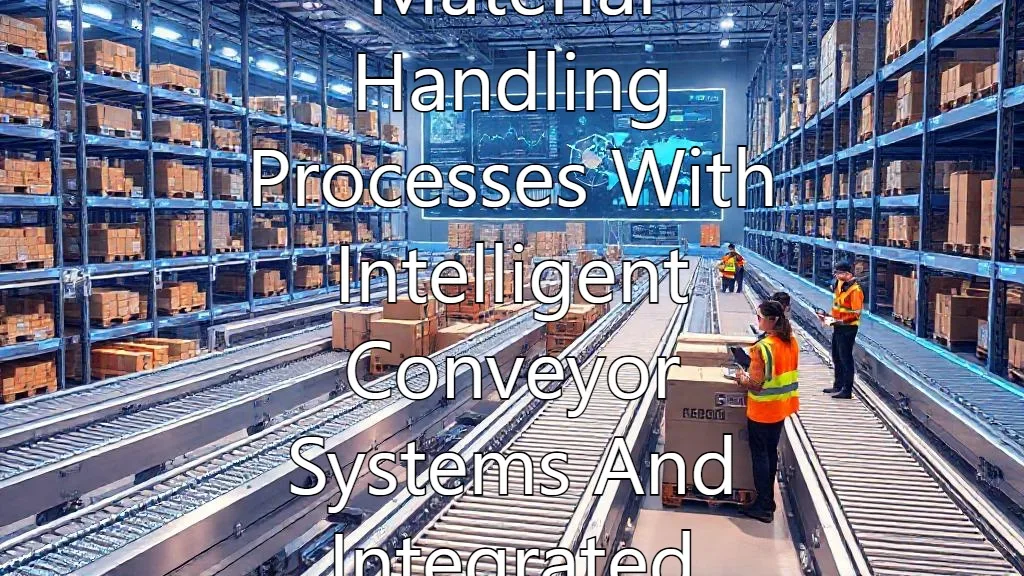
Material handling processes are the backbone of modern manufacturing and distribution, working tirelessly behind the scenes to keep goods flowing and businesses thriving.
The integration of intelligent conveyor systems and cutting-edge logistics can supercharge these processes, achieving unprecedented levels of efficiency, speed, and accuracy.
By leveraging advanced technologies such as artificial intelligence, robotics, and data analytics, companies can streamline their material handling operations, reducing costs, improving productivity, and gaining a competitive edge in an increasingly complex and demanding market.
Optimizing Warehouse Operations With Automated Material Handling Systems Integration
The integration of automated material handling systems is revolutionizing warehouse operations by enhancing efficiency, reducing labor costs, and improving accuracy.
By leveraging cutting-edge technologies such as robotics, conveyor systems, and automated storage and retrieval systems, warehouses can streamline their processes and gain a competitive edge.
The future of warehouse operations hangs in the balance, as companies that fail to adopt automated material handling systems risk being left behind in a rapidly evolving industry.
- Increased productivity is just the beginning, as automated material handling systems also enable warehouses to process orders faster and more accurately.
- Reduced labor costs are a major benefit of automation, as warehouses can minimize their reliance on manual labor and reduce the risk of workplace injuries.
- By streamlining inventory management, automated material handling systems can help warehouses optimize their storage capacity and reduce waste.
Streamlining Logistic Workflows Through Intelligent Conveyor Systems Implementation
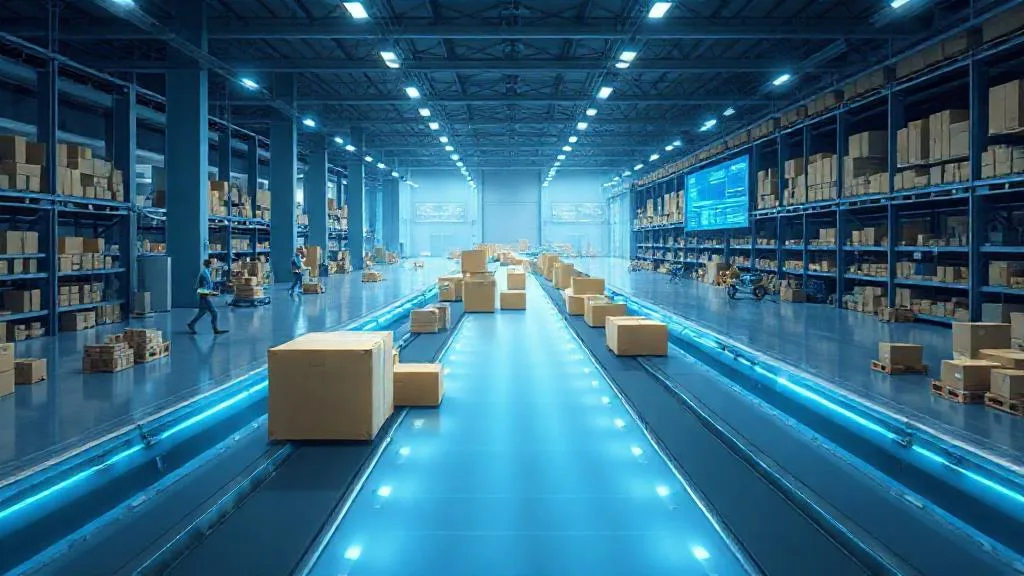
Implementing intelligent conveyor systems can be a game-changer for logistics operations, as these systems utilize advanced technology such as sensors, automation, and data analytics to optimize the flow of goods.
By integrating intelligent conveyor systems, companies can streamline their workflows, reduce labor costs, and improve overall efficiency.
This technology enables real-time monitoring and control, allowing for swift adjustments to be made in response to changes in demand or production.
Reducing Manual Labor And Minimizing Workplace Injuries With Automated Solutions
A notable example of automation in action is the implementation of robotic systems in warehouses, where machines can efficiently sort and pack items, reducing the risk of injury from manual handling and lifting.
This not only minimizes workplace injuries but also increases productivity and efficiency.
The integration of automated solutions can have a profound impact on workplace safety, as it reduces the likelihood of human error and minimizes exposure to hazardous environments.
Improving Operational Efficiency And Productivity Through Advanced Technology Adoption
The seamless integration of advanced technology into business operations is akin to a masterfully conducted symphony, where each component works in harmony to create a cohesive and efficient whole.
By leveraging the power of artificial intelligence, machine learning, and data analytics, organizations can unlock new levels of productivity and operational efficiency.
The adoption of cloud-based solutions and the Internet of Things (IoT) can enable real-time monitoring and control, allowing businesses to respond quickly to changing market conditions and customer needs.
Enhancing Order Fulfillment And Inventory Management With High-Accuracy Automation
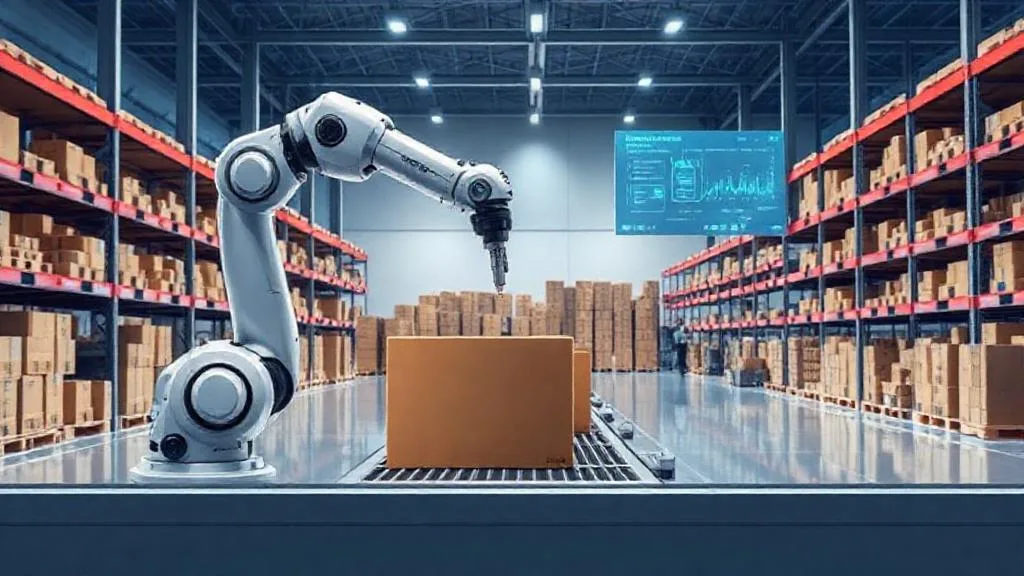
To optimize order fulfillment and inventory management, businesses can leverage high-accuracy automation, which involves implementing advanced technologies such as artificial intelligence, machine learning, and robotics.
This can help streamline processes, reduce errors, and increase efficiency, ultimately leading to improved customer satisfaction and reduced costs.
By automating tasks such as order processing, inventory tracking, and shipping, businesses can free up resources and focus on more strategic activities.
Implementing Conveyor Systems For Efficient Material Transport And Processing
Conveyor systems play a crucial role in streamlining material handling processes.
- Optimizing production workflows by reducing manual labor and increasing productivity.
- Utilizing automated sorting and packaging systems to enhance accuracy and speed.
- Designing customized conveyor layouts to accommodate specific facility requirements.
- Maintaining regular system checks to prevent downtime and ensure seamless operation.
- Integrating conveyor systems with existing machinery to create a cohesive production line.
Leveraging Automated Guided Vehicles And Robotic Picking Systems For Repetitive Tasks
Automation is key: streamlining processes, increasing efficiency, and reducing labor costs.
Implementing automated guided vehicles and robotic picking systems can significantly improve productivity.
Repetitive tasks are now a thing of the past with the help of automated systems, which can work around the clock without breaks, increasing overall output and accuracy.
Integrating Automated Storage And Retrieval Systems For High-Volume Storage Needs
Automated storage and retrieval systems can be highly beneficial for businesses of all sizes, streamlining their storage and retrieval processes.
The benefits of automated storage and retrieval systems include improved efficiency, productivity, and reduced costs.
By 2025, the global automated storage and retrieval system market is expected to reach $11.04 billion, growing at a CAGR of 7.6% from 2020 to 2025.
Maximizing Throughput And Efficiency With Intelligent Conveyor Systems And Integrated Logistics Solutions
The implementation of intelligent conveyor systems and integrated logistics solutions has become increasingly crucial in maximizing throughput and efficiency.
By leveraging advanced technologies such as automation, artificial intelligence, and data analytics, businesses can optimize their logistics operations, reduce costs, and improve overall productivity.
The strategic deployment of these solutions can also facilitate more accurate forecasting, enabling companies to make informed decisions and drive growth in an ever-evolving market landscape.
The key to success lies in seamless integration and optimization.
As we look to the future of material handling, it’s clear that intelligent conveyor systems and integrated logistics will play a vital role in shaping the industry’s landscape.
With the ability to optimize workflows, reduce costs, and increase efficiency, these innovative solutions are poised to revolutionize the way businesses approach logistics.
By embracing the power of intelligent conveyor systems and integrated logistics, businesses can unlock new levels of agility and responsiveness, enabling them to stay ahead of the curve in an ever-changing market.
Ultimately, the future of material handling is one of seamless integration, precision, and speed, where goods move effortlessly through the supply chain, driven by the perfect harmony of technology and logistics.
Leave a Reply