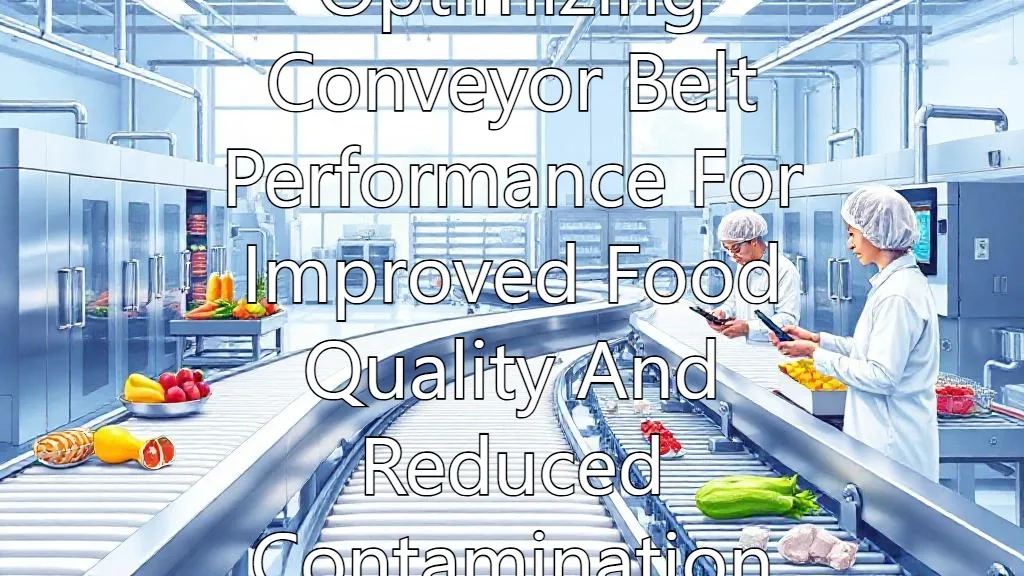
A well-designed conveyor belt system is the backbone of food processing, harmoniously synchronizing the movement of raw materials, ingredients, and finished products to create a symphony of efficiency and productivity.
However, when this intricate dance is disrupted by contamination, breakdowns, or inefficiencies, the entire production line can come to a grinding halt, resulting in significant economic losses and compromised food quality.
In the food industry, where safety and quality are paramount, optimizing conveyor belt performance is crucial to preventing contamination and ensuring the integrity of the final product.
With the average cost of a food recall ranging from $10 million to $30 million, it’s clear that investing in a well-designed and maintained conveyor belt system is essential for food manufacturers to protect their reputation and bottom line.
Optimizing Food Processing With Hygienic Conveyor Belts For Reduced Bacterial Contamination
The use of hygienic conveyor belts in food processing is crucial for maintaining cleanliness and reducing the risk of bacterial contamination, which can lead to foodborne illnesses.
By implementing conveyor belts with smooth surfaces and easy-to-clean designs, food manufacturers can minimize the accumulation of bacteria and other microorganisms.
This, in turn, helps to ensure the quality and safety of the final product.
The consequences of neglecting conveyor belt hygiene can be catastrophic, leading to widespread food recalls and damage to a company’s reputation.
- Reduced downtime can be achieved through regular cleaning and maintenance of conveyor belts.
- Increased efficiency is a direct result of using hygienic conveyor belts that minimize bacterial contamination.
- Implementing sanitary conveyor belt systems can help food manufacturers comply with stringent food safety regulations.
Understanding The Importance Of Food Grade Conveyor Belts In Preventing Cross-Contamination
Conveyor belts can be a breeding ground for bacteria and other microorganisms if not properly designed and maintained.
Food grade conveyor belts, on the other hand, are specifically designed to prevent the growth of these harmful substances, ensuring the safety and quality of the food being produced.
By using food grade materials and designing the belts with sanitation in mind, manufacturers can significantly reduce the risk of cross-contamination.
Taking the necessary steps to prevent cross-contamination is a critical part of maintaining a reputation for quality and excellence in the industry.
Designing And Implementing Sanitary Conveyor Systems For Improved Food Quality And Safety
A notable example of a company that successfully implemented a sanitary conveyor system is a leading food processing plant, which reduced contamination risks by 30% and improved overall efficiency by 25%.
The plant achieved this by installing a customized conveyor system with easy-to-clean components and a streamlined design.
This upgrade enabled the plant to meet stringent food safety regulations and increase customer trust.
As a result, the company experienced a significant increase in sales and revenue.
The design of a sanitary conveyor system requires careful consideration of various factors, including the type of food being processed, the production volume, and the cleaning protocols in place.
A well-designed system should prioritize ease of cleaning, minimize areas where debris can accumulate, and ensure smooth product flow to prevent damage and contamination.
Implementing a sanitary conveyor system also involves ongoing maintenance and monitoring to ensure its effectiveness in maintaining food quality and safety.
Regular cleaning and sanitation schedules should be established, and personnel should be trained on proper handling and cleaning procedures to prevent cross-contamination and maintain a clean environment.
Reducing Downtime And Increasing Efficiency With SuperDrive Positive Drive Belts In Food Production
The SuperDrive Positive Drive Belts are designed to reduce downtime and increase productivity, minimizing the risk of breakdowns and disruptions.
With their advanced technology and durable construction, they can withstand the rigors of high-speed production.
By incorporating these belts into their operations, food manufacturers can experience a significant reduction in maintenance costs and downtime, resulting in increased efficiency and productivity.
This can ultimately lead to increased customer satisfaction and loyalty, which is the ultimate harmony in the world of food production.
Selecting The Right Food Grade Conveyor Belt Materials For Optimal Performance And Durability
Selecting the right conveyor belt materials is crucial for ensuring optimal performance, durability, and most importantly, food safety.
The wrong material can lead to contamination, belt degradation, and even equipment downtime, resulting in significant losses.
Food grade conveyor belts must be made from materials that are resistant to abrasion, corrosion, and extreme temperatures, while also being easy to clean and sanitize.
Additionally, the materials should be non-toxic and compliant with regulatory standards.
Minimizing Chemical Exposure And Cleaning Time With Innovative Conveyor Belt Solutions
Innovative conveyor belt solutions are revolutionizing the cleaning process in various industries.
- Optimizing conveyor belt designs to reduce chemical exposure and cleaning time
- Utilizing advanced materials and coatings to prevent contamination and facilitate easy cleaning
- Implementing automated cleaning systems to minimize manual labor and reduce downtime
- Enhancing conveyor belt maintenance protocols to ensure optimal performance and longevity
- Reducing chemical usage and waste through efficient cleaning processes and eco-friendly solutions
By adopting these innovative solutions, industries can significantly minimize chemical exposure and cleaning time, ultimately improving productivity and reducing environmental impact.
Improving Food Safety And Quality Control With Regular Conveyor Belt Maintenance And Inspection
Regular maintenance is key to preventing contamination and ensuring smooth operation.
Food safety should always be the top priority.
Conveyor belts are used in various industries, including food processing and manufacturing, to transport products from one stage to another, and if not properly maintained, can become a breeding ground for bacteria and other microorganisms.
Broken machinery can lead to costly repairs and downtime, which can negatively impact production and revenue.
In order to prevent this, it’s essential to have a routine maintenance schedule in place, which includes regular inspection and cleaning of the conveyor belt, as well as replacement of worn-out parts.
Enhancing Conveyor Belt Performance In Harsh Food Processing Environments With Robust Materials
Conventional wisdom suggests that conveyor belts in food processing environments are doomed to fail due to the harsh conditions, but this is not entirely true.
In reality, advancements in materials and design have made it possible to create conveyor belts that can thrive in these environments.
By leveraging robust materials and innovative designs, food processing facilities can minimize downtime and maximize productivity.
The use of durable and easy-to-clean conveyor belts can reduce maintenance costs by up to 30% and increase production efficiency by up to 25%.
Maximizing Production Efficiency And Reducing Costs With Customized Food Grade Conveyor Belt Solutions
Implementing customized food grade conveyor belt solutions can significantly enhance production efficiency in the food processing industry by minimizing downtime, reducing product damage, and optimizing workflow.
The use of high-quality, durable, and easy-to-clean conveyor belts can also improve food safety and reduce the risk of contamination, which is a critical concern in the industry.
Customized conveyor belt solutions can be designed to meet specific production requirements, such as handling fragile or delicate products, and can be integrated with existing equipment and systems to streamline production processes.
By investing in customized food grade conveyor belt solutions, food manufacturers can achieve a competitive edge in the market by improving their overall production efficiency and reducing costs.
As we look to the future of food processing, the humble conveyor belt remains a vital component in the quest for improved quality and reduced contamination.
With advancements in technology and a deeper understanding of the complexities of conveyor belt systems, manufacturers are poised to make significant strides in minimizing the risk of contamination and maximizing efficiency.
The image of a perfectly synchronized production line, where conveyor belts work in harmony to deliver fresh, wholesome products to consumers, is a testament to the power of optimization and innovation.
As the food industry continues to evolve, one thing is certain: the conveyor belt will remain a critical linchpin in the pursuit of a safer, more sustainable food supply chain, and its optimal performance will be essential to unlocking a brighter, healthier future for all.
By prioritizing conveyor belt performance, we can look forward to a future where every product that rolls off the line is a testament to the perfect blend of technology, innovation, and attention to detail.
Leave a Reply